

Black Genius
The centenary of Kippie Moeketsi's birth passed quietly—fitting for a jazz genius whose brilliance, even in life, was often overlooked.

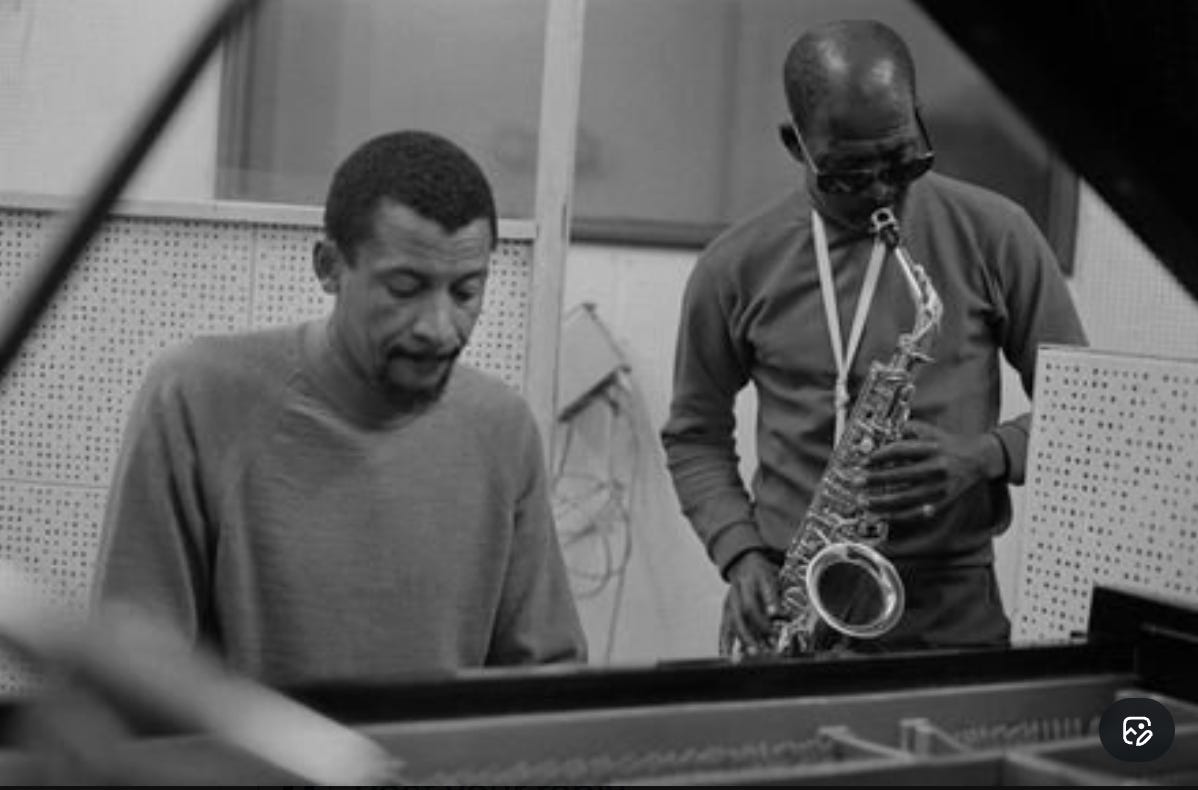
Kippie Moeketsi was born on July 27, 1925, yet, apart from concerts and one or two articles by jazz enthusiasts and artists, the centenary of his birth passed with little recognition in South Africa—not surprisingly, perhaps, for an artist whose brilliance was often overshadowed, even in his lifetime.
A Google search shows that in Cape Town, DJ and illustrator Graeme Arendse, also known as Boeta Gee, presented a set titled “The Jazz Epistles of Kippie at 100” at The Commons in Muizenberg, as part of his “Afromap of Space” series. In Johannesburg, drummer Tumi Mogorotsi’s trio headlined a concert at the Market Theater. That same event included a talk by journalist Sam Mathe and a panel discussion that included saxophonist Sipho Mabuse and cultural historian David Coplan. On The Conversation Africa, Gwen Ansell, the researcher and commentator on South African jazz, lamented that Moeketsi’s “cultural legacy is only just coming into the light, and there is still no definitive biography.” Music journalist Atiyyah Khan, in a social media post, noted the absence of a discography of Kippie’s many recordings and compositions.
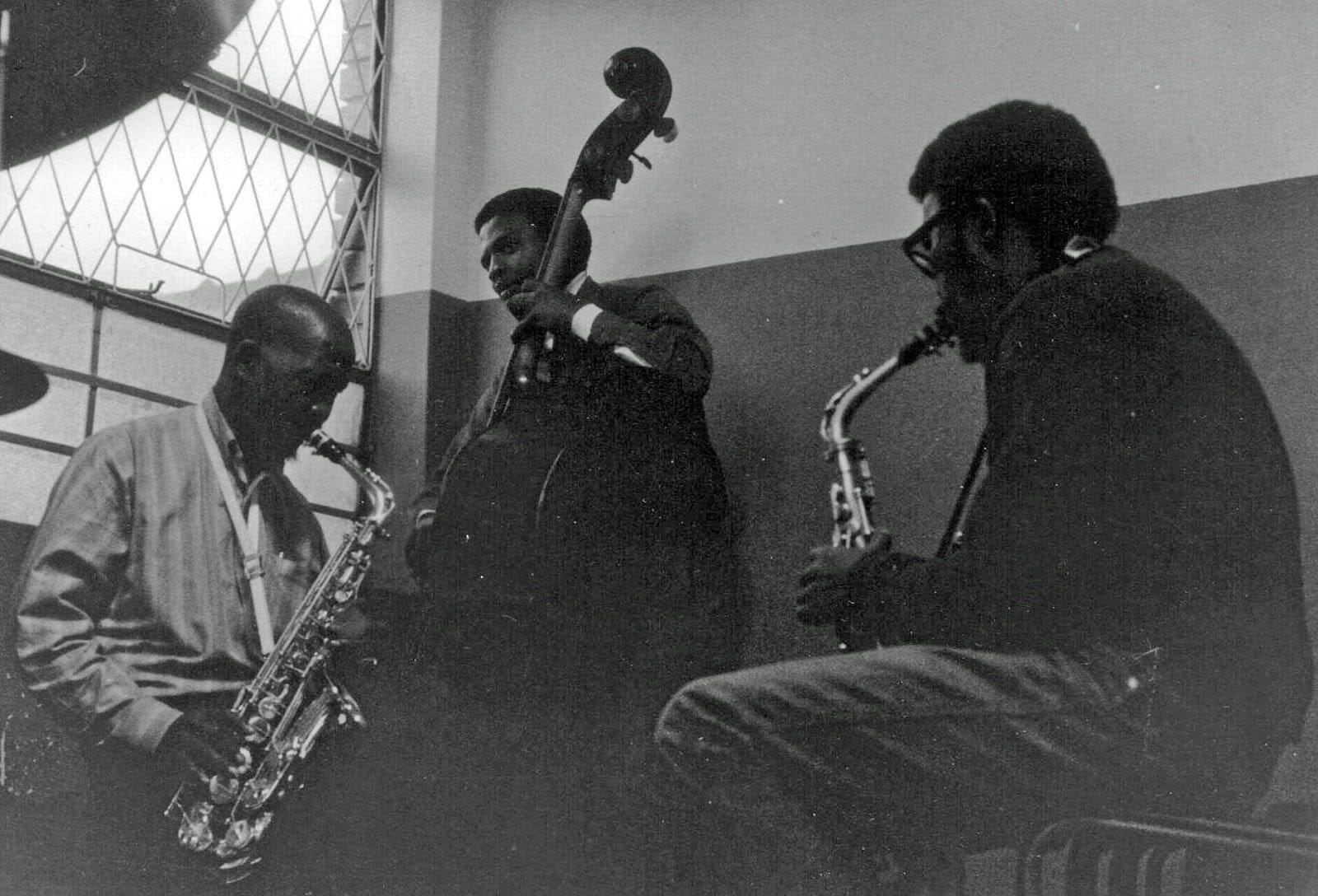
Jeremiah Morolong Moeketsi was one of South Africa’s most gifted jazz musicians, a saxophonist whose artistry helped define the golden age of South African jazz. In 1960, he became the senior member and creative anchor of the Jazz Epistles, South Africa’s first significant modern jazz ensemble. Alongside the then-Dollar Brand (later Abdullah Ibrahim), trumpeter Hugh Masekela, trombonist Jonas Gwangwa, bassist Johnny Gertze, and drummer Makaya Ntshoko, Moeketsi forged a sound that combined hard bop energy with local musical idioms. In his later autobiography, Masekela described The Jazz Epistles’ sound as a fusion of “tireless energy, complex arrangements, tight ensemble playing, languid slow ballads, and heart-melting, hymn-like dirges.” This was complemented by the musical influences of the band members’ backgrounds.
All the members of the Jazz Epistles were in their twenties—except Moeketsi, who was 35 and revered as the most talented among them.
The Jazz Epistles’ sole album, “The Jazz Epistles, Volume 1,” remains a landmark. Not only was it the first time a black jazz group released an album in South Africa, but the music itself was also noteworthy. Moeketsi composed three of its eight tracks, including the haunting “Scullery Department,” which closed Side B. The title references the backrooms where Black musicians were forced to eat or change, hidden from white patrons—an understated but powerful critique of apartheid. The tune captured the frustration and creative fire of the time, recorded just as the Sharpeville Massacre shook the country and the apartheid state cracked down on Black life, politics, and expression.
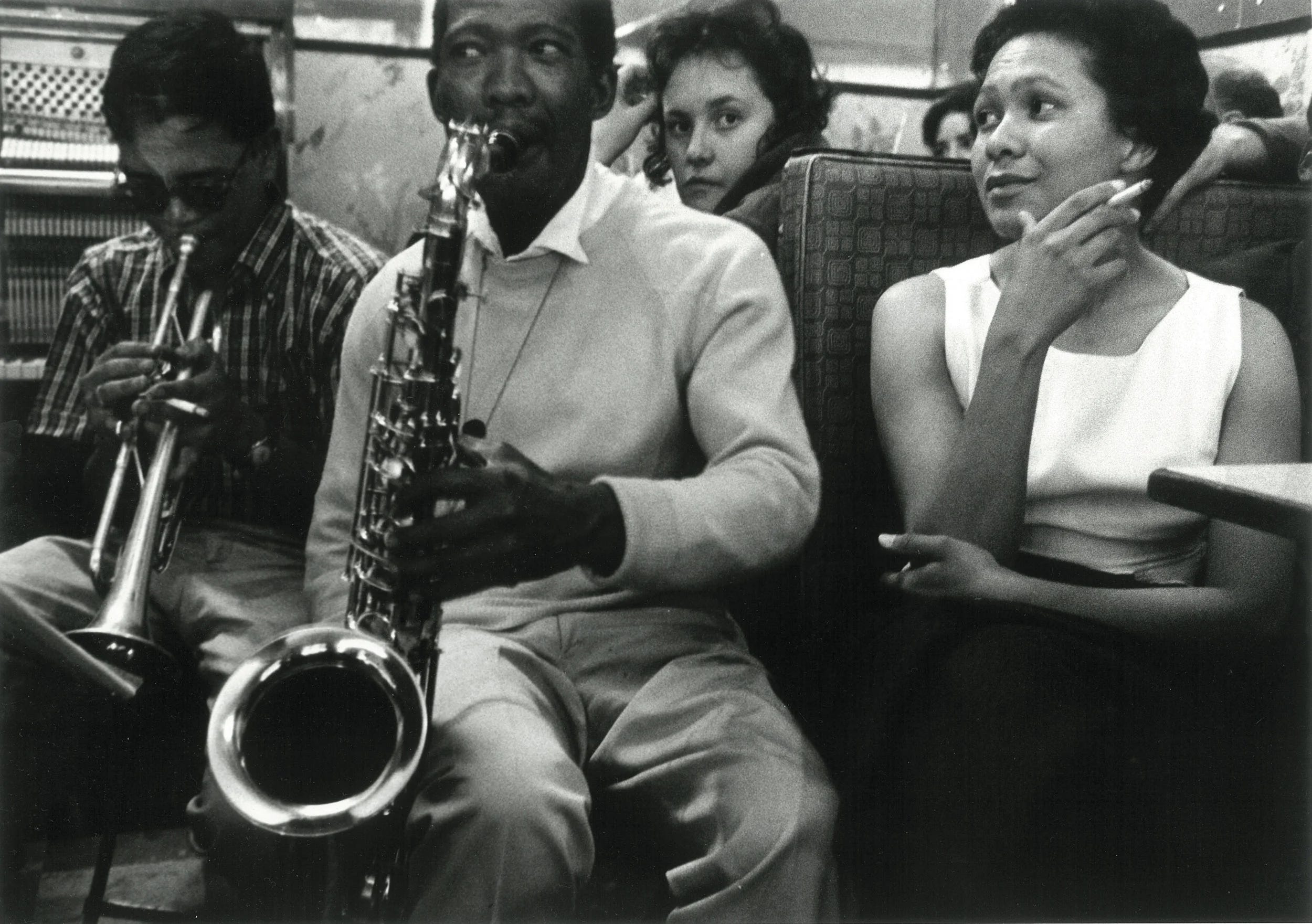
After The Jazz Epistles disbanded, Moeketsi joined Gwangwa and Masekela in the UK as part of the cast of the musical King Kong. It is unclear if Moeketsi, like the rest of the band, had chosen exile. Moeketsi didn’t remain abroad for long—within a year, he was back in South Africa. The reasons for his return have been the subject of conjecture and slander, but they seem to involve a mix of resistance to exploitation by white South African producers, poor health, misdiagnosis and medical malpractice (which fueled his later depression) by British health officials, and heavy drinking. Once back, he continued to play and record—often alongside a visiting Ibrahim (like 1973’s “Dollar Brand + 3”) and later with visiting artists—but never as a headliner.
His genius was always borrowed, rarely spotlighted. Despite contributing to over fifty recordings, Moeketsi did not make many LPs under his own name, though reissues like “Hard Top” are beginning to set the historical record straight. At the beginning of the 1980s, Masekela would tell a reporter, “It is amazing that Kippie Moeketsi has been around for a long time and has never made an LP on his own. It is only when Pat Matshikiza or Dollar Brand calls him that he’s been able to do something.”
His final years were marked by frustration, depression, and struggle, exacerbated by apartheid and alcohol.
In her Conversation piece, Gwen Ansell challenges the “sad man of jazz” stereotype of Moeketsi, calling it a racist trope that exoticises and diminishes Black musicianship in South Africa. Instead, colleagues remembered Moeketsi as a proud black nationalist, brilliant player, and empathetic mentor, not a caricatured drunk. According to Ansell, he came from a home of music books (two of his brothers were also professional musicians), and studied diligently. She blamed his later decline on electroconvulsive therapy in the UK. This was compounded by the frustrations of being an artist and a rebel under apartheid.
Kippie Moeketsi died in 1983, at just 57.
Those who played with him never forgot how good he was. Abdullah Ibrahim called him a towering influence. When asked about musical influences later, Ibrahim would first frustrate interviewers by crediting nameless “unsung mentors” and then specifically single out Kippie. The admiration was genuine. Ansell has summarized Moeketsi’s playing thus: “... fluid, gravity-defying runs, mastery of space and dynamics, and plaintive, soul-stirring sustains; one of the characteristics that gives him a unique voice.”
Kippie Moeketsi’s legacy lives on—not only in the recordings he left behind but also in the sound and spirit of South African jazz. He remains a giant, even if too often unacknowledged.
Bless us even more with a playlist kind sir!
Thanks for bringing Kippie into the light 💡